
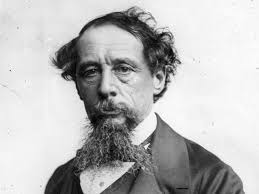
This quote is pretty straightforward. Dickens refers to three characteristics of a man: his heart, his temper, and his touch. He urges the reader never to change in any of these qualities which implies that the qualities mentioned are virtuous and the events of one’s life will naturally pull them away from virtue. Basically, this world is going to do everything it can to change you and often it will not be for the best.
The first of the three qualities mentioned, the heart, is popularly used to symbolize emotion, compassion, and love. Dickens states that the heart should never “harden” so we can infer it is best to have a soft heart. In other words, to be very sympathetic. Next, we are instructed to have a “temper that never tires.” This line is especially self-explanatory; keep calm when things aren’t going your way. Finally, Dickens advises us to have “a touch that never hurts.” When you touch other people it should not be to hurt them. If we’re touching people and it’s not with the intent to harm them then it’s probably to show affection. In summation Dickens wants us to be compassionate towards others, patient in the face of adversity, and gentle in our physical conduct despite what the events of the world may urge us to do.
In reading this quote I find myself most interested by the idea that the world naturally pulls us away from virtue. The whole concept suggests that an individual’s goodness is alien to an otherwise morally indifferent if not evil world. If our environment does not have morality then how are we to believe that the virtue in our character is a product of our upbringing? It is impossible. Virtue is somehow present in our character despite the events of the world which would naturally destroy it, much less create it. If this is starting to sound like an argument for an objective moral authority, then that’s because it is. Under normal circumstances I would say “buckle up, atheists” and try to explain just what the hell I’m talking about here, but this is my first quote analysis and I wouldn’t want to scare away my make-believe audience already.
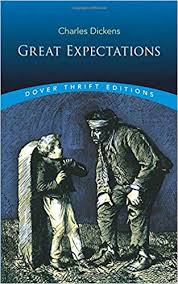
I actually just finished reading Dickens’s Victorian novel “Great Expectations” and can honestly recommend it to any young person who thinks they’ve got the whole world figured out. (Spoiler: they don’t) The book is basically about this bright young kid who resolves one day that life is all about wealth, social advancement, and class. He leaves his loving and affectionate poor family to pursue a life as a gentleman in the city. However, the events which unfold in his adult years reveal he’s made a terrible mistake. His most valuable possession turns out to be the loyal family he had all but forgotten about.
The lesson I gather, aside obviously from the ‘”affection, loyalty, and conscience are more important than social advancement, wealth, and class” theme, is that we need to be careful of resolving our minds one way or another without considering other possibilities. That bright young kid decided one day that the only way he could be happy is if he becomes a wealthy gentleman and he wastes the best years of his life pursuing that goal. People need to take a moment and reevaluate their goals once in a while or they’ll end up so lost that they forget why they were headed where they were in the first place. Obviously you should still figure out what is important to you and stick to your principles, but you must take time to reflect on new experiences. Don’t be afraid to change your mind.
P.S. This applies to what I’m saying here. My word is not gospel. I’m an 18-year-old in high school. Please do not hesitate to criticize or ignore what I say. My future self certainly will.
 Famous Quote Analysis